10 Things You Didn’t Know You Could Do With Your Digital Archive
Summary: Modern digital archives do far more than preserve historical records. From creating instant videos and social media content to supporting genealogy research, community storytelling and privacy-aware facial recognition, today’s archives are dynamic platforms for engagement. This article explores ten powerful (and often unexpected) ways digital archives can bring heritage to life, grow community participation and turn collections into living, evolving resources.

Many museums, heritage organisations, libraries, and community archives think of their digital archive as a secure place to preserve photographs, documents, maps and oral histories — an essential record of the past.
But today’s digital archives do far more than store history.
They help connect people with their ancestry, rediscover forgotten stories, strengthen community identity and bring heritage to life in ways that weren’t possible even a few years ago.
A modern archive is no longer just a repository.
It is a storytelling platform, a genealogy resource, an education tool and a powerful way to engage your community.
Here are 10 things you may not realise your digital archive can do:
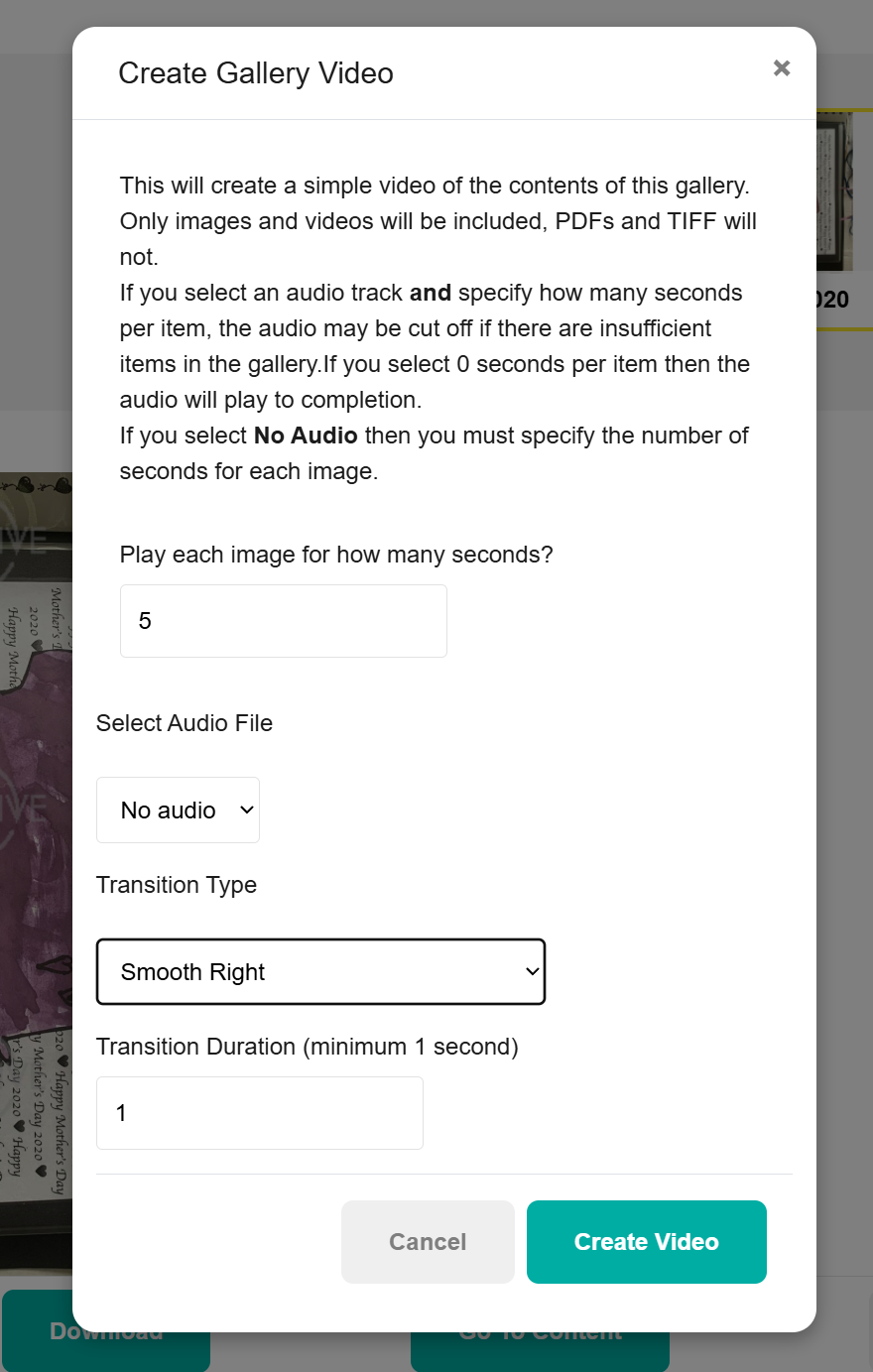
1. Turn Your Collections Into Instant Videos
Video is one of the most engaging ways to share heritage stories and now you can create compelling videos directly from your existing archive materials.
Create:
Mini documentaries from photographs and recorded interviews
“Then & Now” sequences comparing historical and modern images
Quick highlight videos for anniversaries or commemorations
Memorial or tribute videos honouring significant local figures
All using items already in your collection with no production team needed.
It’s one of the simplest ways to make your archive more engaging and more shareable.
2. Share Stories Straight to Social Media And Even Schedule Them
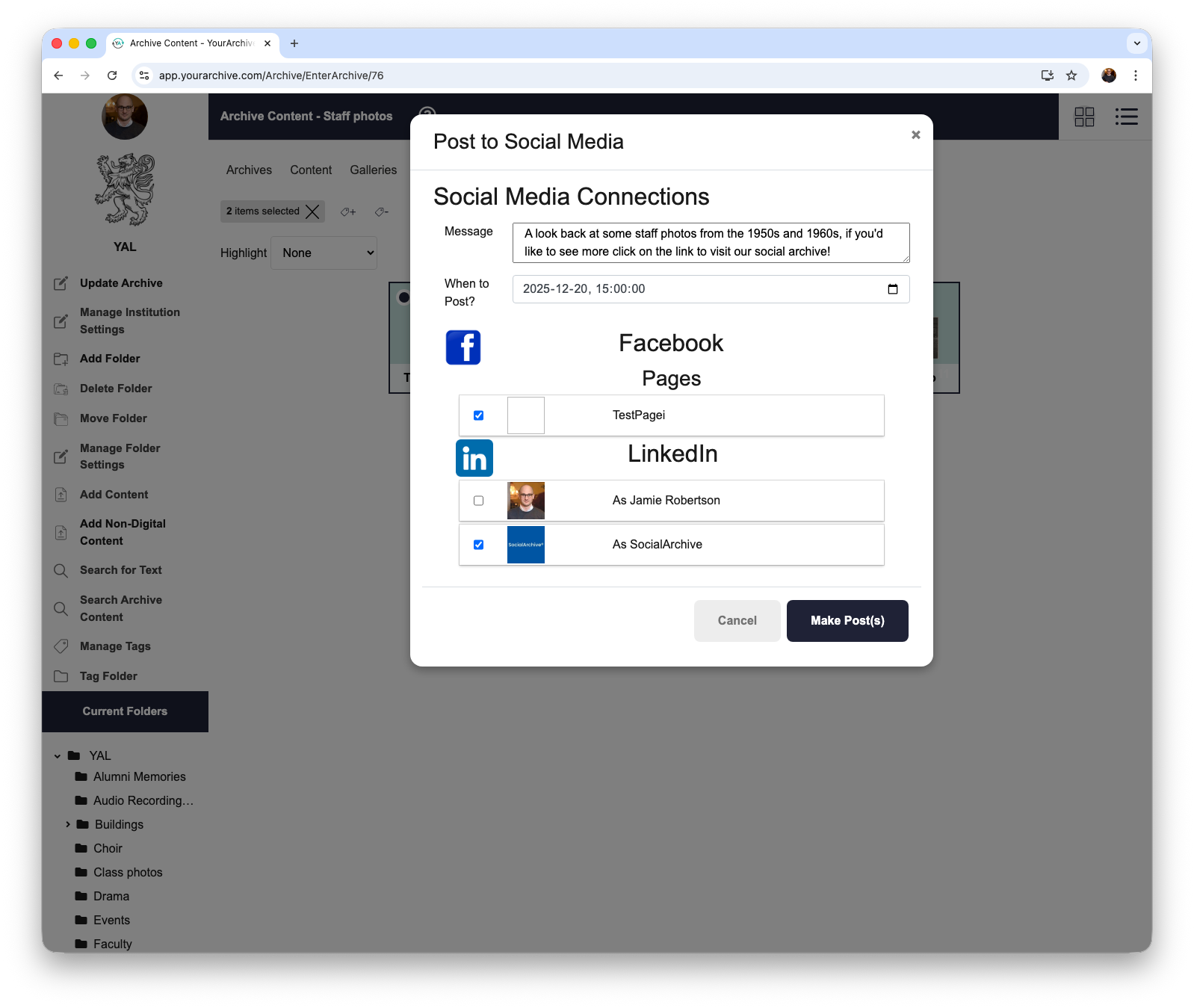
Your digital archive should be a source of storytelling, not something hidden away.
With integrated publishing tools, you can:
Share galleries, photos, articles, films or audio clips directly from the archive
Create posts for Facebook, Instagram and LinkedIn
Schedule posts in advance for campaigns or themed content weeks
Build awareness of exhibitions or events using nothing but your collections
This is invaluable for museums with limited staff time, volunteer-run groups and organisations who want to keep their social presence active without constant manual work.
Your archive becomes a live storytelling engine, shining a light on the fantastic work you are doing.
3. Use Facial Recognition to Identify People, Support Genealogy Research, And Respectfully Redact Those Who Opt Out
One of the biggest challenges facing museums, libraries and community archives is the sheer volume of photographs containing unidentified people. Facial recognition technology finally helps bridge this gap.
For a deeper look at this challenge and the different approaches organisations can take, see our guide to identifying people in historical photographs.
YourArchive can:
Detect and tag faces across your entire collection
Apply a person’s tag to every photo they appear in, once they’ve been identified once
Help families rediscover relatives they’ve never seen in photographs
Support local genealogy groups searching for ancestors and family connections
Reveal community stories hidden in unlabelled collections
For genealogy enthusiasts, local historians and descendants researching their roots, this is transformative.
A single photograph can confirm a family connection, spark a new line of research or uncover stories that might otherwise remain lost.
And when someone prefers not to be included…
Facial recognition also protects those who prefer not to appear publicly.
If an individual requests not to appear in the archive (or only in specific contexts), YourArchive can:
Detect every photograph containing that person
Automatically blur or hide their face
Apply this redaction across the entire archive leaving the original file untouched and preserved
Automatically applies redaction to future uploads
You only need to process the redaction once.
The archive manages it everywhere else, ensuring you remain respectful, compliant and community-focused.
This creates a balance between public access, genealogical discovery and individual privacy, supporting the needs of modern heritage organisations and the communities they serve.
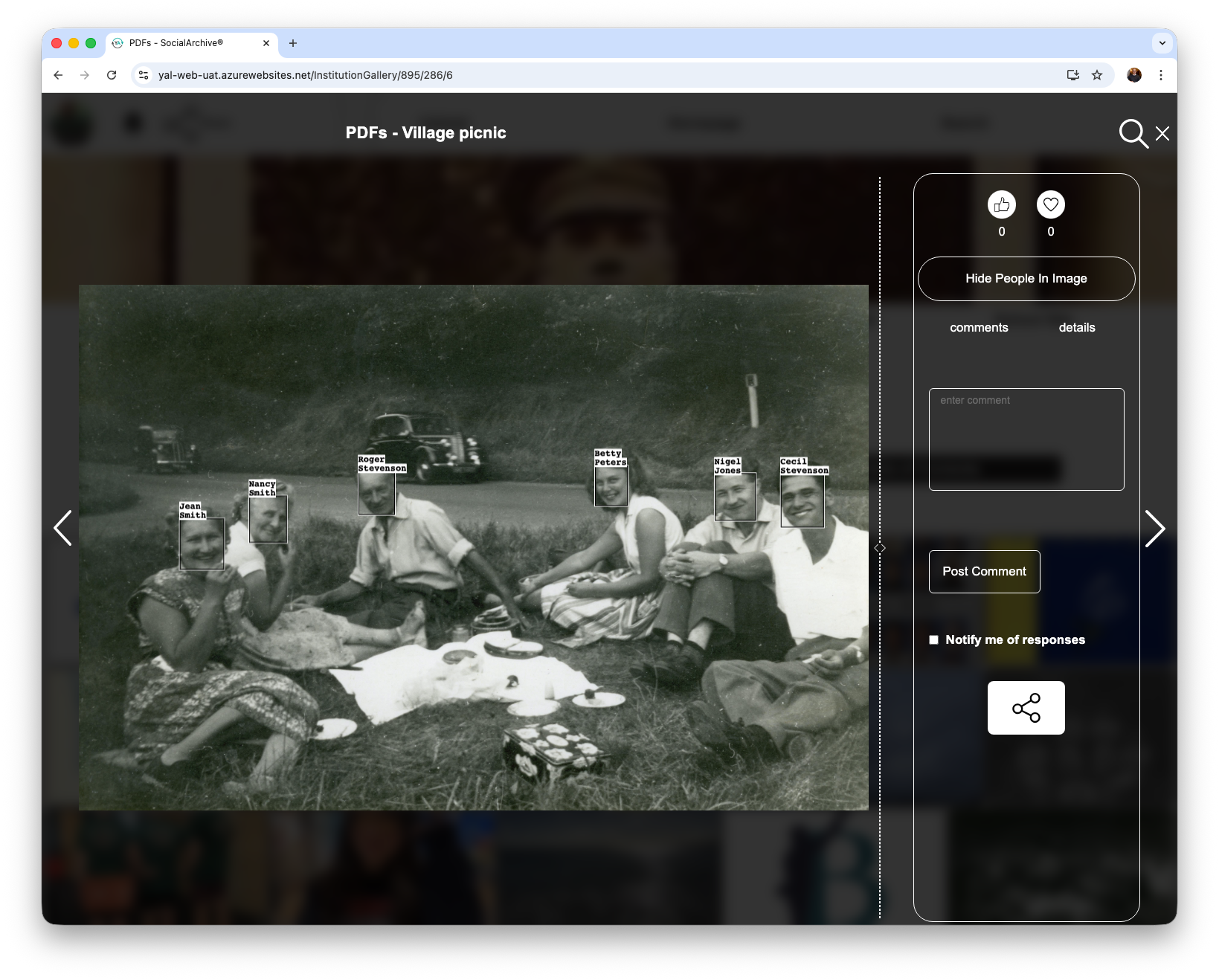
An image showing YourArchive’s facial recognition, identifying community members in images.
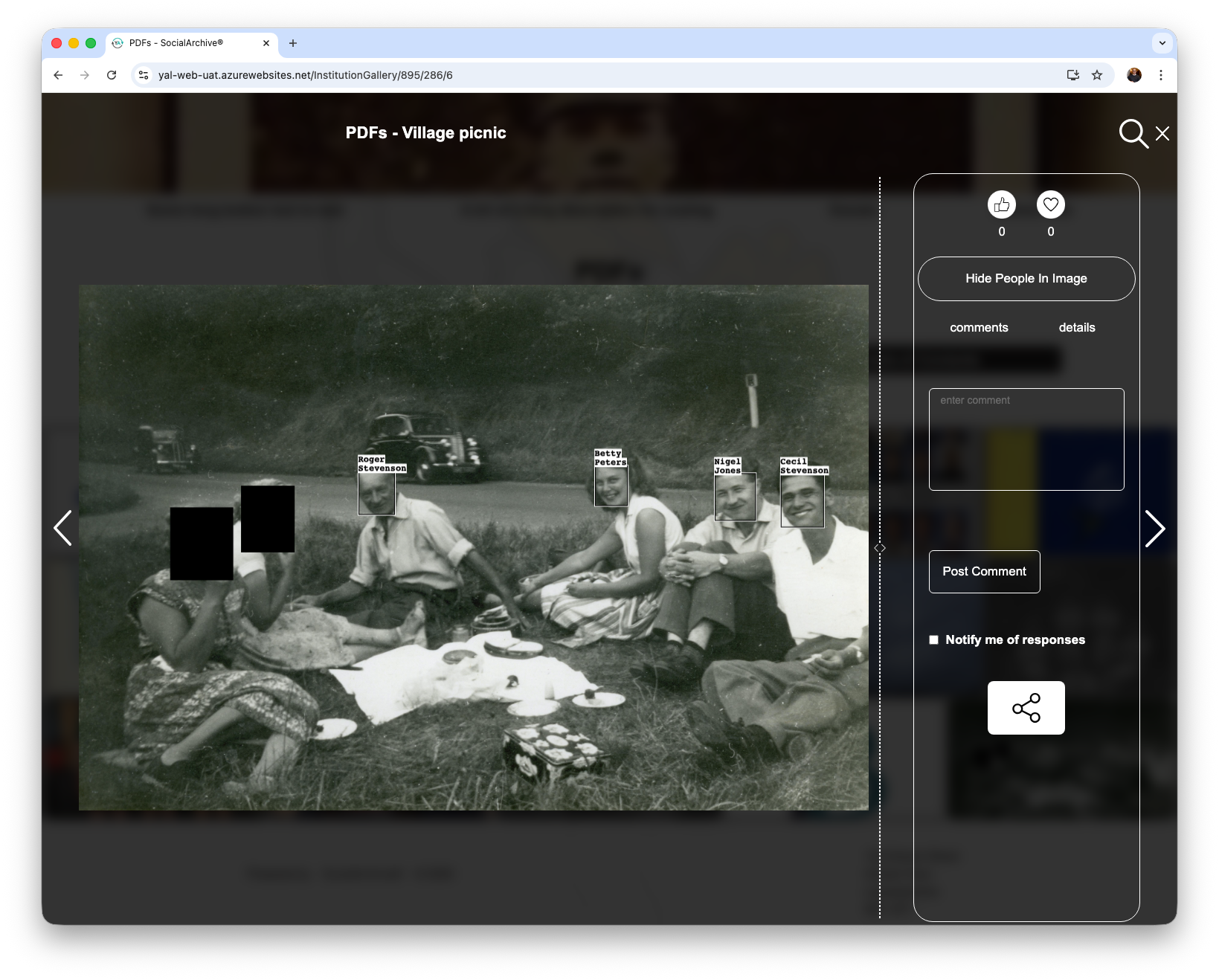
An image now showing YourArchive’s redaction feature, removing the faces of two previously identified individuals.
4. Build Instant “Person Profiles” From Everything in Your Collection
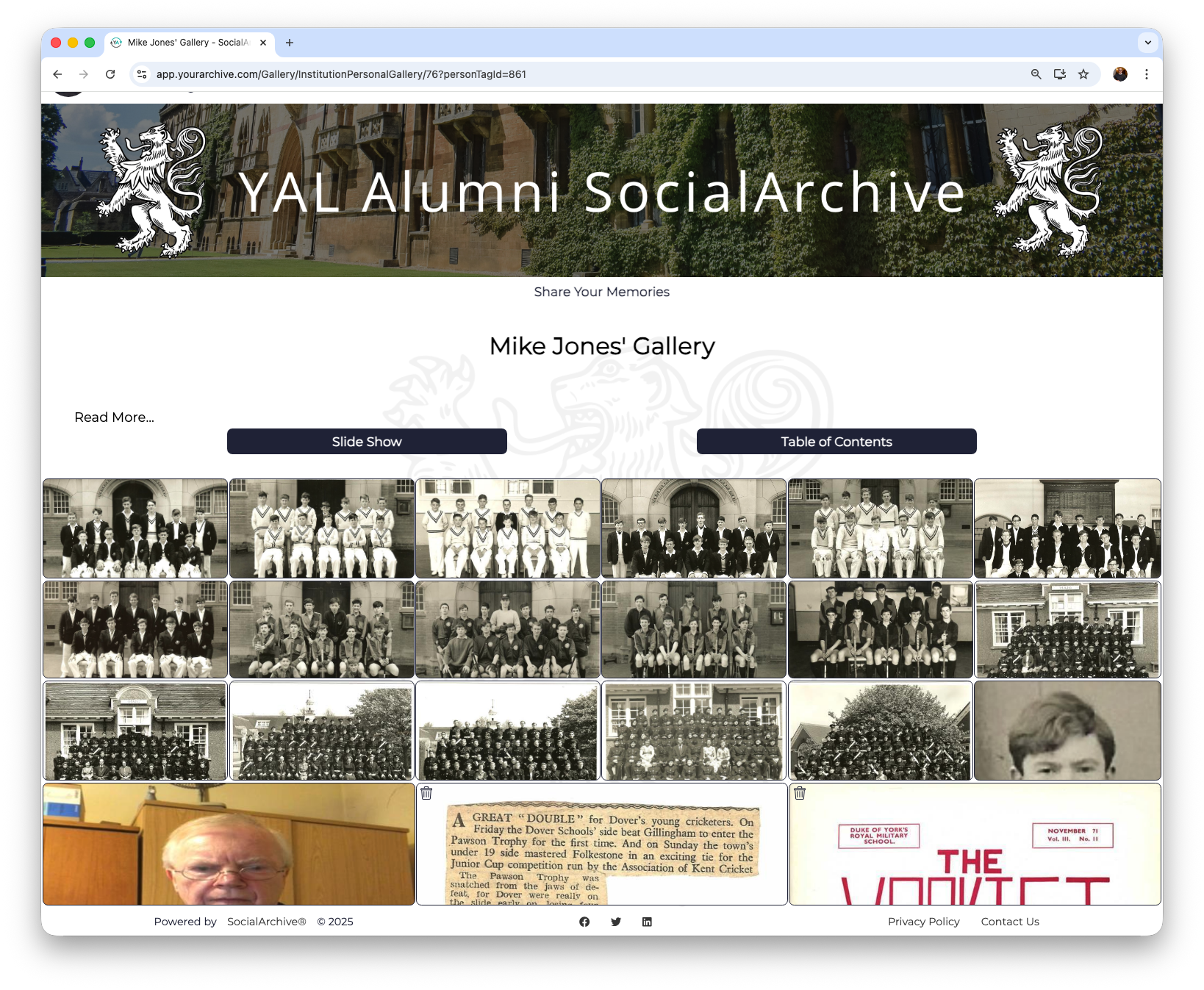
Instead of hunting for scattered materials, you can now search a name and automatically generate a complete profile of an individual’s presence in your archive.
This might include:
All photos they appear in
Mentions in documents, letters or publications
Oral histories or interviews
Perfect for:
Genealogy research
Family history enquiries
Local figures
Community history and storytelling projects
It turns fragmented materials into a coherent story with a single click.
5. Use Metadata Without Needing to Be Technical (But Still Support Advanced Standards)
Metadata shouldn’t be a barrier to getting your materials online.
YourArchive makes it easy by offering:
Simple, intuitive fields for volunteers and everyday contributors
Customisable metadata structures for different collections
Support for advanced schemas like DublinCore, EAD, MODS, METS
Consistency across thousands of items
Professional archivists get the accuracy they need (if required).
Community contributors get an interface that makes sense.
Everyone wins.
6. Build Digital Experiences That Bring Your Stories to Life
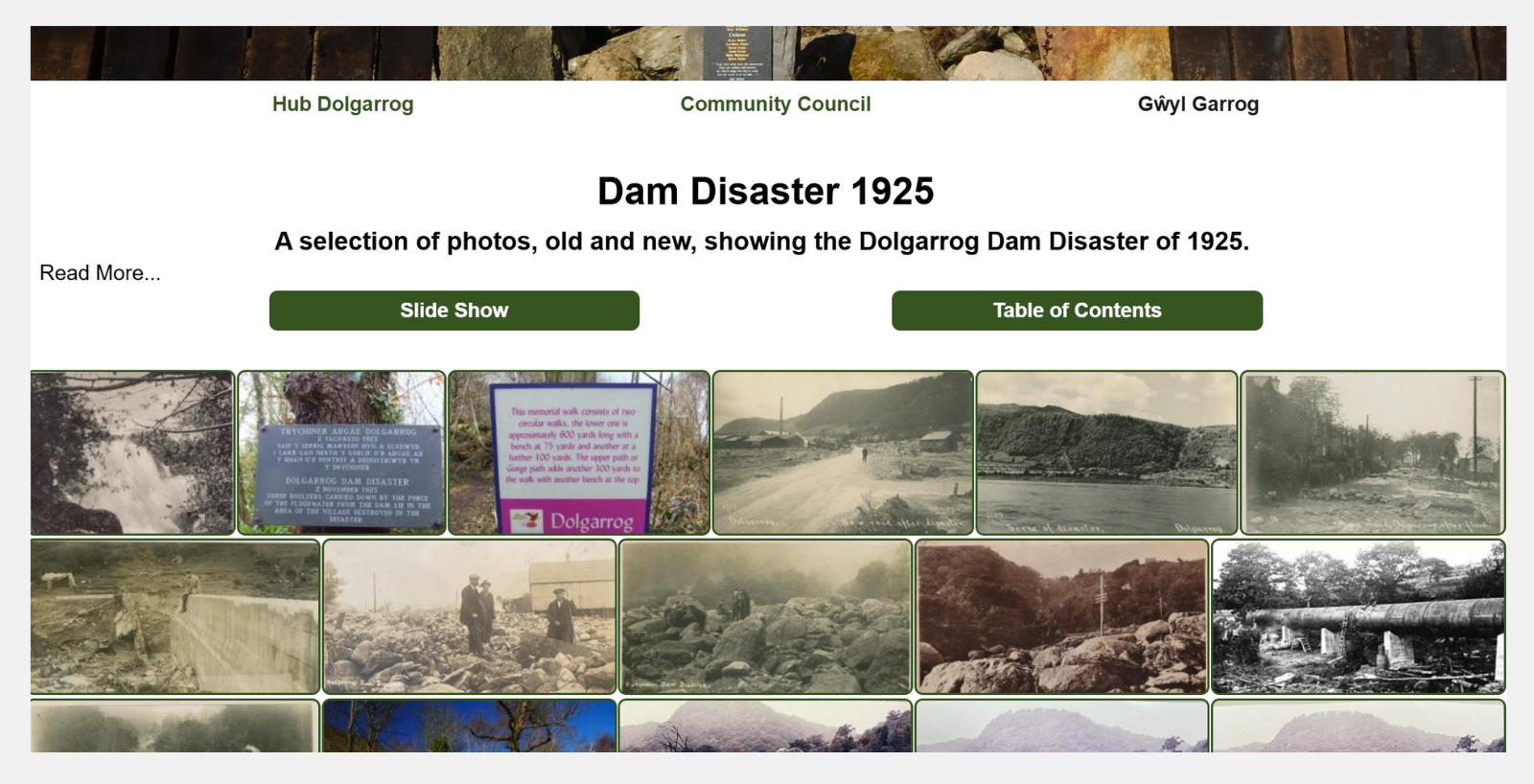
Your archive can become a destination, not just a database.
Create:
Virtual exhibitions
Curated galleries
Themed collections tied to local festivals or anniversaries
Galleries focused on notable local surnames or lineages
Examples might include:
“The Early Settlers of Our Region”
“Women Who Shaped Our Town”
“Our Community in World War II”
“A Century of Local Sporting Heroes”
Your archive becomes a space for exploration, not just reference.
7. Capture New Stories, Not Just Preserve Old Ones
Your archive shouldn’t only preserve the past.
It should help collect the present and evolve alongside your community.
You can now:
Invite families to share their own photographs or memories
Collect local knowledge before it disappears
Gather genealogical information from residents or diaspora communities
Run “memory collection” campaigns for anniversaries, reunions or new exhibitions
Crowdsource identification of people, places or events
Your archive becomes a living, growing record. A heritage project that deepens over time.
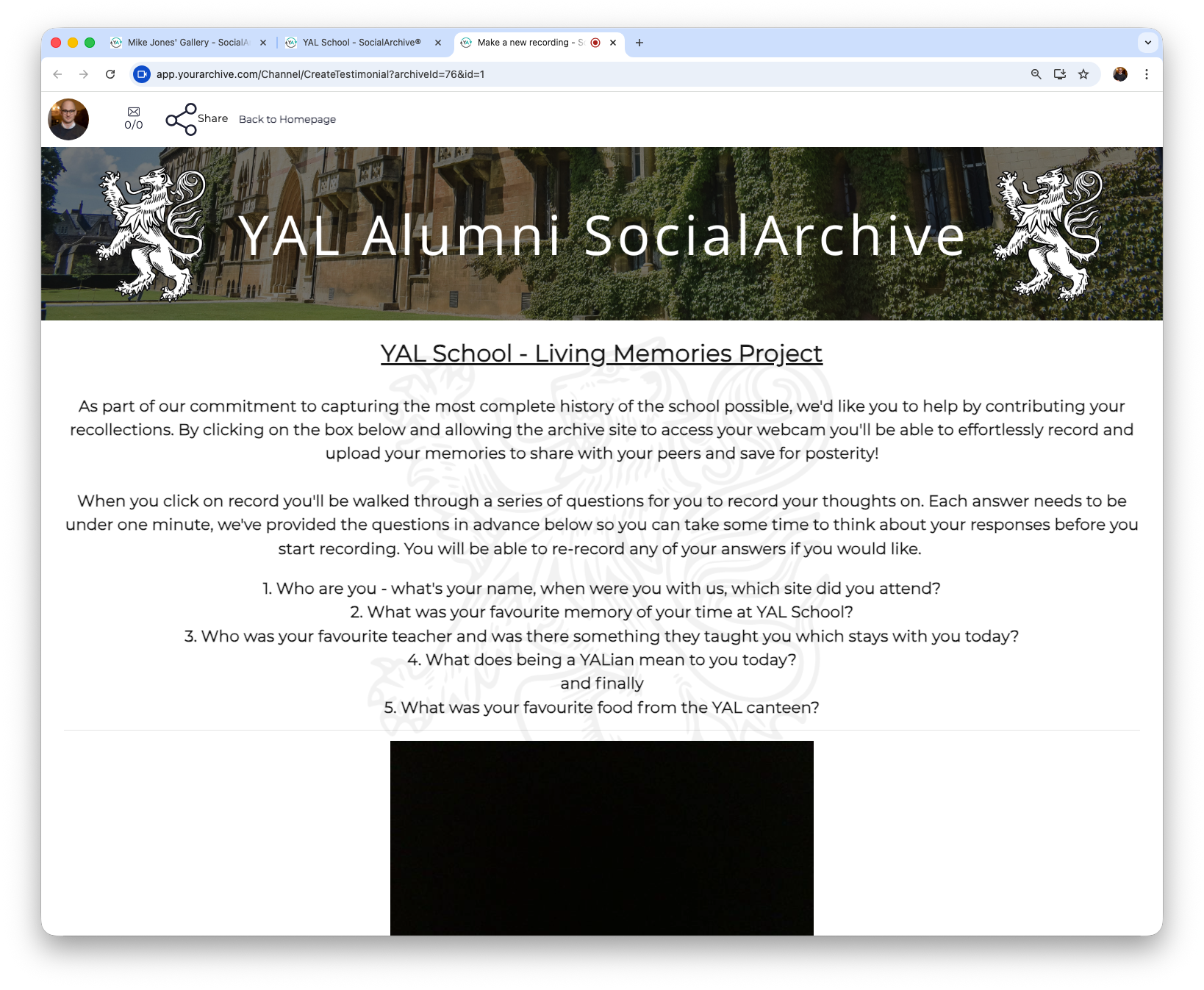
An example ‘Living Memories Project.’ In this example, the platform guides contributurs through 5 questions that respondants can record (video or audio) from their phone or laptop (from anywhere). These are then automatically catelogued, tagged and transcribed.
8. Use Analytics to Understand What Your Visitors Value Most
A modern archive gives you insight into how people interact with your content.
See:
Which items attract the most views
Which themes, decades or topics resonate
Who engages with what
What content has the most comments
What items in your collection are yet to be identified
These insights help you:
Plan exhibitions
Prioritise digitisation
Shape community outreach
Guide programming and education
Support funding applications with real evidence
Your archive becomes a source of understanding, not just storage.
9. Invite Commentary, Knowledge and Community Contribution
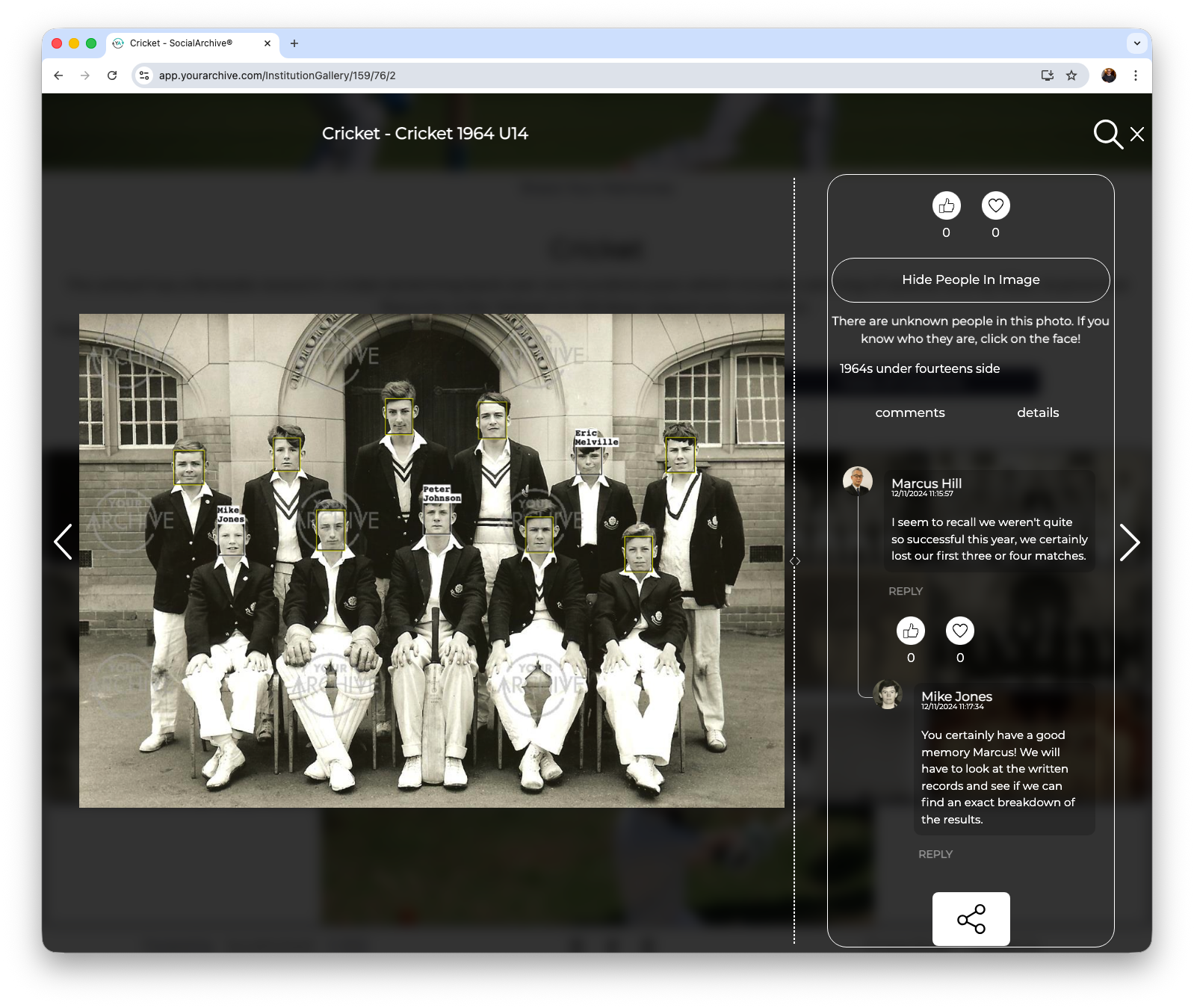
Heritage collections flourish when people can contribute their memories and expertise.
YourArchive allows you to:
Add curator notes or contextual information
Invite the community to share stories or insights
Enable visitors to identify people or places
Add captions, descriptions and oral histories
Notify contributors when new comments appear
Build communal knowledge over time
A single photograph can become a conversation.
A collection can become a collaborative history project.
10. Release Collections in Stages, Create Curated Galleries and Keep Your Community Coming Back
A modern digital archive shouldn’t feel like a static museum shelf if you don’t want it to.
It should grow, evolve, and continually give people new reasons to return.
YourArchive lets you:
Release materials in stages, building anticipation around new discoveries
Create curated galleries for themes, anniversaries, community projects or local family histories
Share galleries directly with your community via email or social channels
Publish “What’s New” highlights to showcase recently digitised collections
Refresh displays with new items to encourage repeat visits
Present content in multiple ways
This keeps your archive alive and dynamic, turning one-time visitors into long-term followers and giving genealogists, community members and local historians ongoing reasons to re-engage.
Your archive becomes not just a place to look back but a place people return to again and again to see what’s next.
A Modern Archive Works in the Present, Not Only the Past
A digital archive should be more than a preservation tool.
It should support your exhibitions, your outreach, your fundraising, your community work and your everyday decision-making.
The more actively you use it, the more valuable it becomes.
Your archive is not just a record of what has happened.
It’s a resource for everything your community will discover next.
About YourArchive
YourArchive helps museums, heritage organisations, community archives and libraries transform their collections into engaging digital experiences. With tools for video creation, facial recognition and redaction, personalised profiles, advanced metadata, community contribution and seamless social sharing, YourArchive makes heritage collections more accessible, more powerful and more engaging than ever.
Want to future-proof your collection?
Get in touch or book a short demonstration to see how YourArchive can help you connect your community with its past.
Key Takeaways:
A digital archive can be a storytelling and engagement platform, not just storage
Archive content can be instantly transformed into videos, galleries and social posts
Facial recognition supports genealogy research while respecting privacy through redaction
Person profiles bring together photos, documents and oral histories in one place
Metadata can be simple for volunteers and still meet professional standards
Archives can host virtual exhibitions, curated collections and themed experiences
Communities can contribute stories, identifications and memories, enriching collections
Analytics help organisations understand what content resonates most
Staged releases and curated galleries encourage repeat visits and long-term engagement
A modern archive supports outreach, education, fundraising and community identity
FAQs:
What is a modern digital archive?
A modern digital archive is more than a storage system. It’s a platform for storytelling, engagement, research and community contribution that brings collections to life.
Can digital archives be used for social media and marketing?
Yes. Modern archives allow you to publish and schedule content directly to social media, using existing photos, videos and stories from your collections.
How does facial recognition help heritage organisations?
Facial recognition helps identify people across large photo collections, supports genealogy research and enables respectful redaction for those who opt out.
Is facial recognition compliant with privacy and consent requirements?
Yes. Individuals can be blurred or hidden across the archive without altering original files, and redactions automatically apply to future uploads.
Do you need technical expertise to manage metadata?
No. Digital archives can offer simple metadata fields for volunteers while still supporting professional standards like Dublin Core, EAD and MODS.
Can communities contribute to the archive?
Absolutely. Community members can add stories, identify people and places, share memories and help enrich collections over time.
How can a digital archive support funding or exhibitions?
Built-in analytics show what content people engage with most, helping inform exhibitions, outreach strategies and funding applications.
Is a digital archive only about preserving the past?
No. Modern archives also capture present-day stories, oral histories and community knowledge, creating a living record for future generations.
Other articles that may be of interest: