Beyond Preservation: How to Turn Your Archive into Videos, Stories and Shareable Digital Content
Summary: Digitising an archive is no longer the end goal… it’s the starting point. Today’s audiences expect stories, videos, and interactive experiences, not static repositories. This article explores how heritage organisations can move beyond preservation to activate their archives as living content engines. From video creation and podcasts to virtual tours and community storytelling, it shows how modern digital tools can transform archives into dynamic, shareable resources that build connection, relevance, and long-term engagement.
For years, archives have been defined by their purpose: preserve, protect, store. Shelves, boxes, catalogues, index cards, and more recently, digital repositories, have allowed organisations to maintain a permanent record of their history and community.
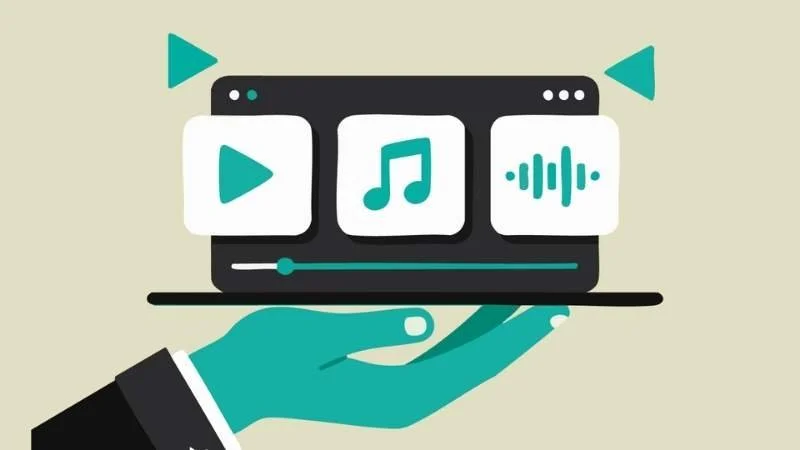
This role is essential. But preservation alone no longer reflects the potential of a modern archive. In an age where engagement is driven by storytelling, video, audio and digital media, simply having an accessible archive is no longer the finish line…it’s the starting point.
The question every heritage organisation, museum, library or community project should now be asking is:
It’s all very well having an accessible digital archive… but what are you doing with it?
Do people know it’s there?
Can they access it?
Are you engaging your community?
Are you reaching younger generations?
Are you bringing stories to life rather than letting them sit in a digital vault?
Are you publishing new material and notifying your audiences as the story grows?
Your archive shouldn’t be static. It’s a continuing narrative with the potential to generate new stories, new engagement, and new connections every day.
This article explores how to move beyond preservation and transform your archive into accessible videos, stories, podcasts, galleries, virtual experiences, and shareable content that puts your history to work.
The Archive Has Changed, And So Have Audience Expectations
Historically, access to an archive meant going somewhere, asking someone, and requesting specific things. It meant appointments, reading rooms and physical handling procedures.
Digital platforms have broken down those barriers. Now, archives can be available:
Instantly
Continuously
On any device
From anywhere in the world
And yet, accessibility alone doesn’t equal engagement.
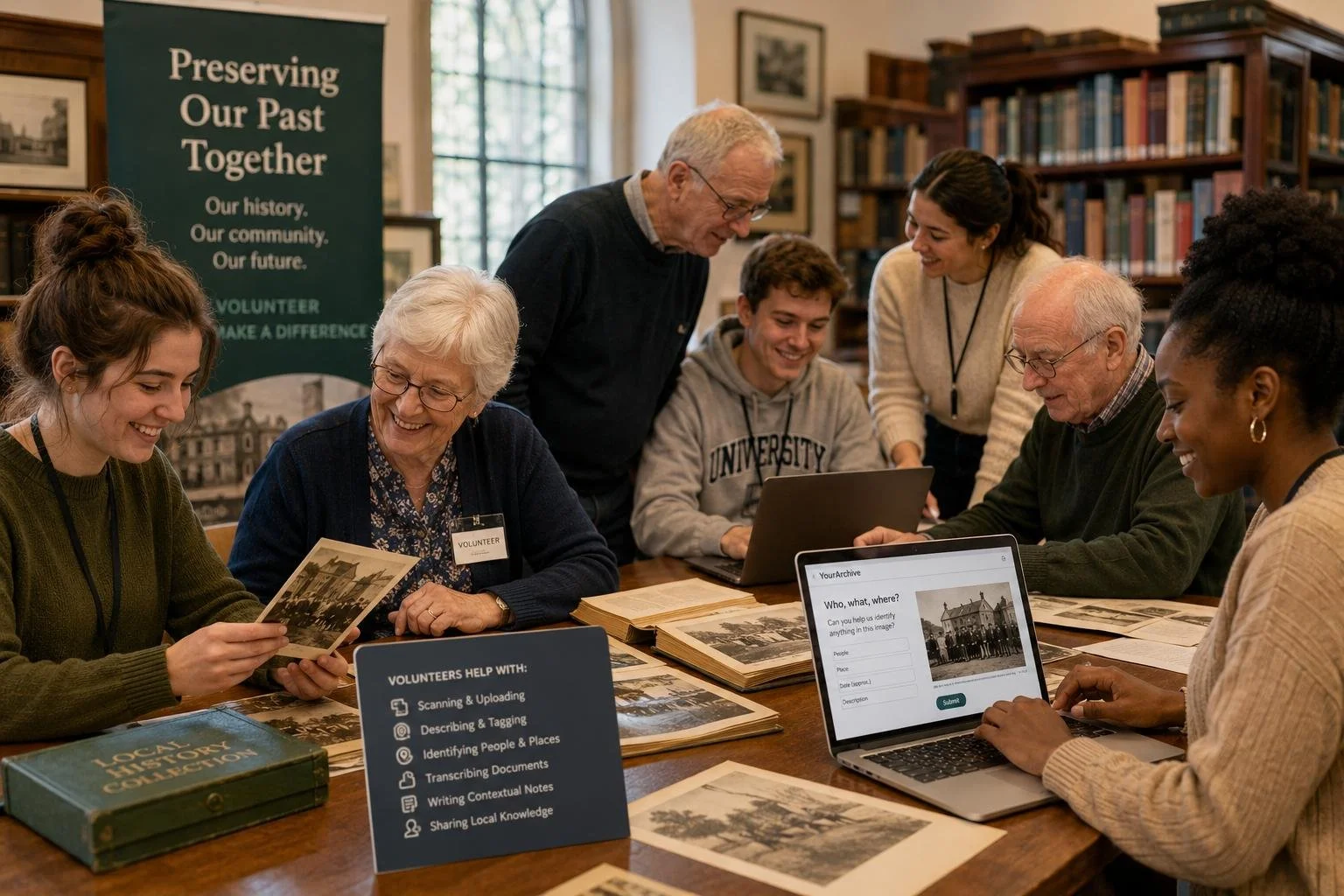
Younger audiences in particular, do not browse archives, they consume stories, watch videos, explore interactively and expect regular updates. They want content that fits the way they already spend their time online.
The future of archives lies in meeting those expectations. Not by abandoning preservation, but by elevating it into something dynamic, creative and community-driven.
You Already Have What You Need
Most organisations underestimate the true value of their collections.
What looks like “boxes of photos” or “old film reels” or “a directory of documents” is actually:
A ready-made content library
Thousands of micro-stories
A powerful foundation for heritage storytelling
Material ideally suited for video creation, podcasting and digital interpretation
When you digitise your archives, you’re not only protecting them, but you’re also unlocking them.
And once unlocked, the possibilities multiply.
The Problem: Too Many Archives Become Digital Basements
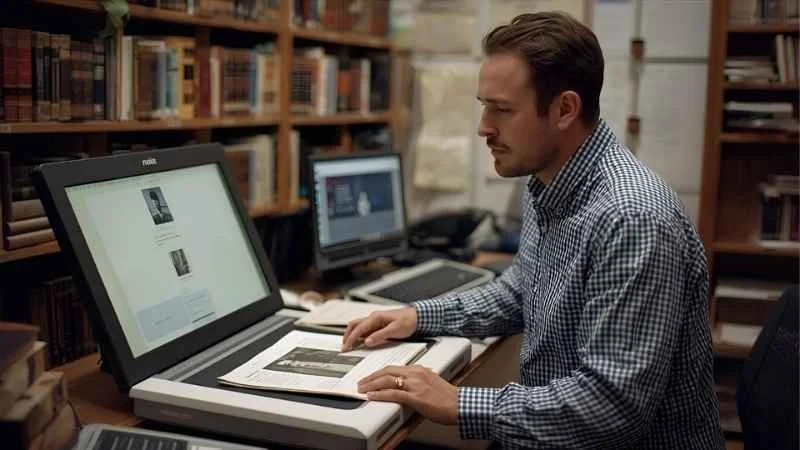
Many organisations achieve the first step: digitisation and some sort of access... but then stop.
Their archive becomes a beautiful, functional digital repository… that sits quietly.
Without activation, even the most accessible archive risks becoming a digital basement:
Safe
Organised
Technically impressive
But invisible
Digitisation is not the end of the journey. It is the doorway to everything else.
Put Your Archive to Work: Stories, Videos and Podcasts
A digital archive should be more than a reference tool. It should be a content engine.
Why?
Because the reason you preserved these materials is simple: they matter. They carry identity, memory and meaning.
The best way to make the most of your archive is to show people the stories inside it.
Traditionally, this can be time-consuming… individually finding materials, stitching them together, and deciding how to present them. But there are easier, more sustainable ways to create ongoing digital heritage content.
YourArchive is packed with tools designed for video creation, audio capture, tagging, multimedia publishing and storytelling, turning archived materials into engaging digital experiences.
Here are just a few of the tools that take your archive beyond preservation:
Video Creation Tool
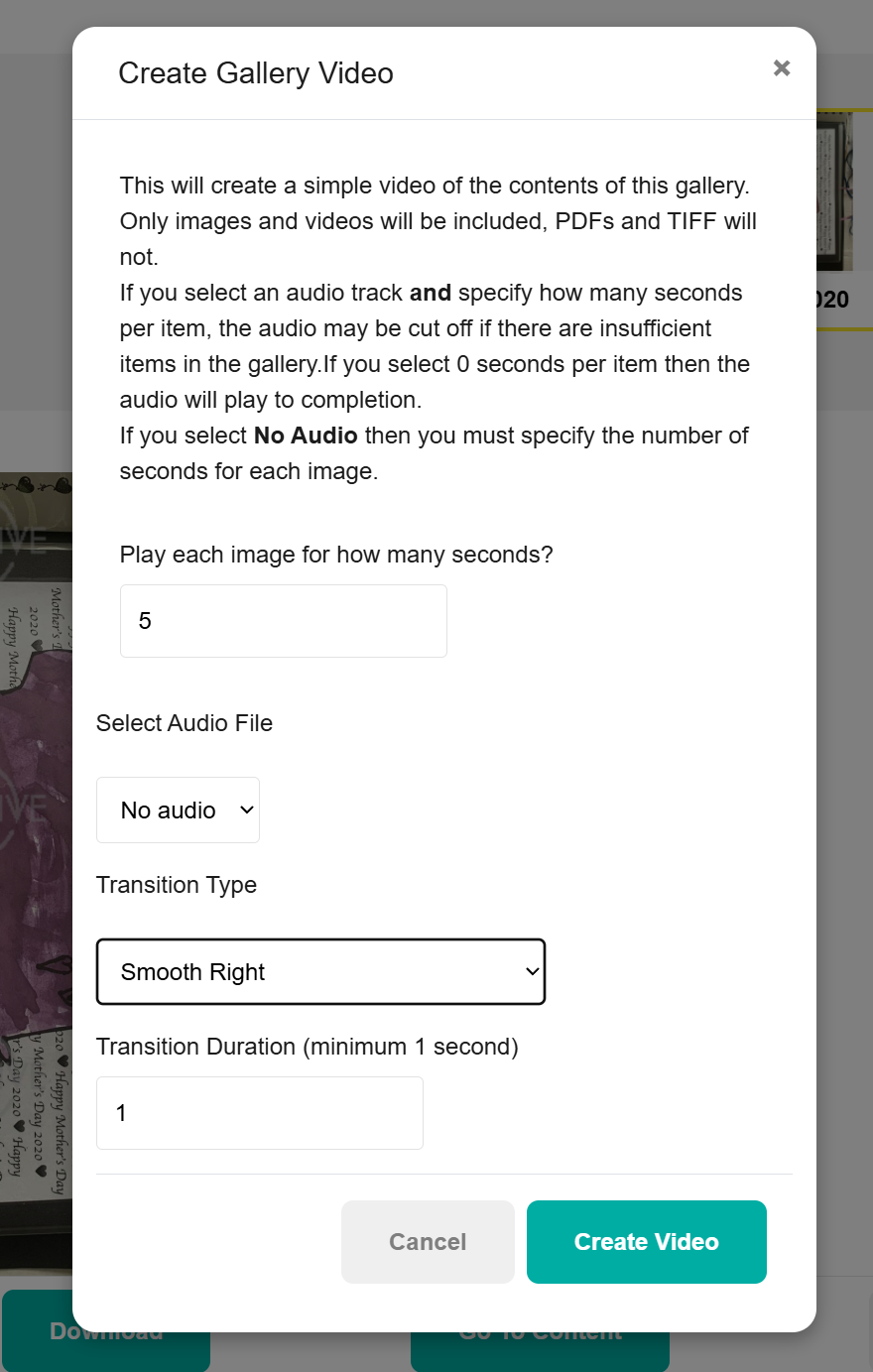
Video drives engagement. Platforms like Instagram, Facebook, YouTube and TikTok all prioritise video content.
YourArchive’s video creation tool lets you take any selection of archived material (by person, year, event, tag — or any combination), layer it with audio, and either:
Publish to your digital portal
Share directly to social media
Download for your website, newsletters, or YouTube
In minutes, you can create:
Short anniversary films
“Remember When?” nostalgia reels
Stories about traditions or landmarks
Celebrations of people or teams
Timelines showing how your organisation has evolved
This is heritage storytelling in a format today’s audiences recognise instantly.
2. Social Media Connectors
YourArchive lets you share archival content directly to social media and even schedule posts in advance. This:
Meets your audience where they already are
Drives traffic back to your archive
Creates ongoing visibility and engagement
3. Facial Recognition
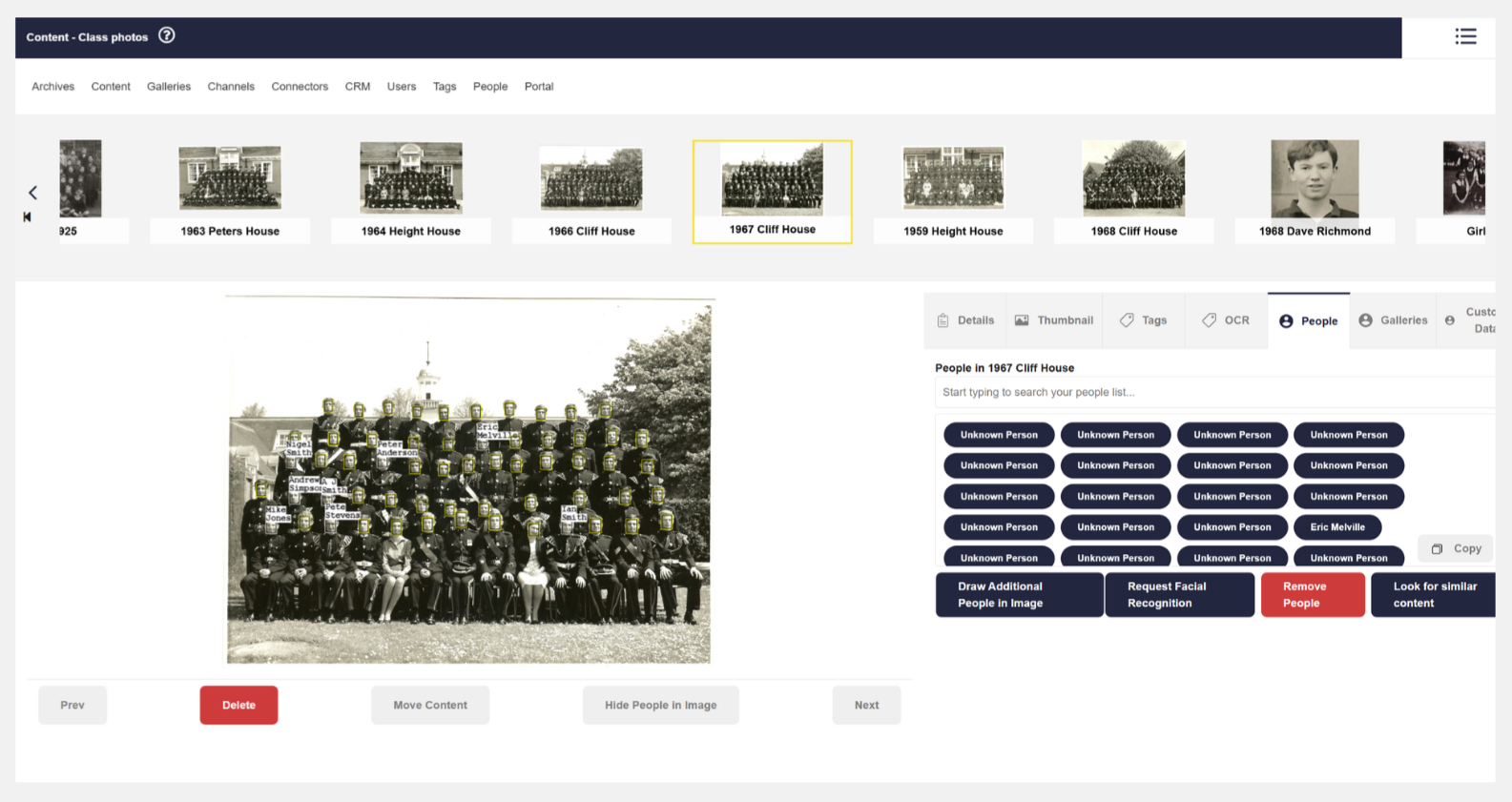
Facial recognition technology is transforming digital archiving.
It identifies individuals in photographs, even across decades, enabling deeper research and family discovery.
We’ve all seen what happens when a heritage photo is posted online, suddenly, someone comments, “That’s my great-grandfather!” or tells a story no one knew existed.
With YourArchive, once a face is named in one photo, every other photo featuring that person is automatically tagged.
This unlocks:
Hidden relationships
Family connections
Local history threads
Users no longer need to manually search thousands of photos, they simply search for faces.
4. Build new galleries and micro-exhibitions
Instead of a single ‘photo archive’ YourArchive allows you to continually create new themed galleries to publish onto your portal. Be it:
“Sports Through the Years”
“Founders and Visionaries”
“The Story of Our Building”
“Community Life in the 1980s”
“Uniforms, Badges and Symbols Over Time”
Curated collections:
Help visitors explore without feeling overwhelmed
Provide a continuous flow of content for social media
Allow you to repurpose familiar materials in fresh ways
5. Create Interactive Virtual Tours
YourArchive’s Virtual Spaces provide an interactive way for your audience to interact with your history. They allow people to explore, click, listen, and learn whilst ‘walking’ through a space.
With YourArchive, these can include:
Audio memories/narration
Old photos of the same space
Pop-up galleries
Links to documents or videos
Interviews connected to the room or location
A physical archive is limited by opening hours.
A virtual tour is always open.
6. Produce Podcasts
Via YourArchive’s Spoken Stories, you can capture audio and video memories, testimonials and oral histories that are automatically catalogued, tagged, transcribed and stored within your archive.
These can then be used to put together podcasts on different themes without organising equipment, studio time or multiple contributors.
7. Community Commenting
YourArchive’s commenting features turn your archive into a living, participatory space.
People comment on content
Their memories become part of the record
Others are notified when new comments appear
This is heritage engagement at its most authentic: bottom-up storytelling.
8. Publish “Story Drops” and Notify Your Community
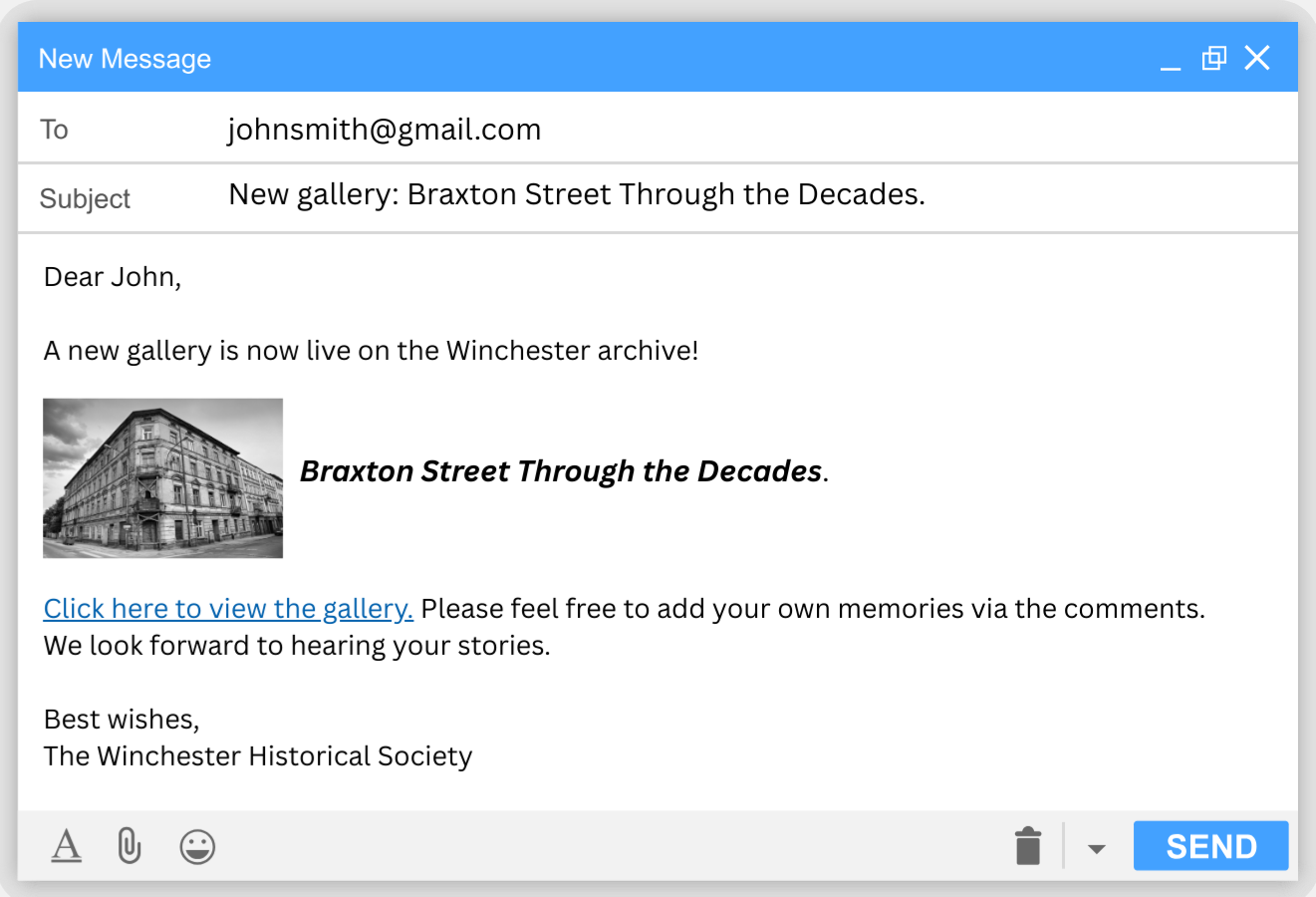
One of the most powerful strategies to keep an archive alive is regular content releases and notifications.
Imagine receiving:
“New 1970s sports photos have been added!”
“Two new oral histories are now live.”
“New gallery: Braxton Street Through the Decades.”
“We’ve just digitised 50 new documents from 1935.”
This transforms your archive from a static resource into a community event.
People return.
They explore.
They share.
They remember.
They reconnect.
YourArchive supports ongoing publishing and automated notifications, driving repeat engagement.
Why This Matters
Repurposing and publishing archival content allows your history to become so much more than a museum. It’s about:
Strengthening community identity
Connecting generations
Giving younger people a sense of belonging
Making history feel relevant
Supporting education and research
Increasing participation in events, fundraising, and membership
Building a living celebration of your organisation
By creating videos and telling your stories, you bring your archive into their world.
The Living Archive: Always Growing, Always Storytelling
The idea of a ‘living archive’ is central to YourArchive’s philosophy.
A living archive is:
Regularly updated
Constantly growing
Frequently reinterpreted
Shared widely
Used creatively
Accessible to all
Connected to the present
Your content isn’t frozen.
It evolves as your community evolves.
Every upload adds a new chapter.
And because YourArchive makes it easy to search, retrieve, curate, create and publish, you’re no longer limited by time, resources or specialist knowledge.
Final thoughts: Your Archive Has More to Give
Digitising your archive and making it accessible is a huge achievement.
But it’s not the end.
The real magic happens when you start using your archive:
Creating videos and reels
Producing audio and podcasts
Sharing new galleries
Building interactive tours
Publishing new material regularly
Telling stories that resonate with today’s audiences
Your archive holds thousands of photographs, recordings, documents and memories.
You’ve preserved them.
Now it’s time to bring them to life!
With the right tools, and a mindset that embraces storytelling, your archive becomes one of the most powerful engagement resources you have.
YourArchive enables heritage organisations, museums, libraries and community history groups to protect history and make it shareable. It keeps archives accurate, searchable and professionally managed, while opening the door to participation, co-authorship and digital storytelling.
Contact us today or book a short demonstration here to find out more.
Key Takeaways:
Digitisation alone is not enough. An archive only creates value when it’s actively used, shared, and transformed into engaging content.
Modern audiences expect stories, not storage. Younger generations engage through video, audio, interactive galleries, and regular content updates rather than traditional browsing.
Your archive is already a content library. Photos, documents, recordings and films can be repurposed into videos, podcasts, exhibitions and social media content.
Activation turns archives into living spaces. Tools like video creation, facial recognition, virtual tours and community commenting bring history into the present.
A living archive strengthens connection and relevance. Regular publishing and storytelling help archives build identity, participation, and long-term community engagement.
FAQs:
What does it mean to move “beyond preservation” in archiving?
It means using your archived materials to create videos, stories, podcasts, galleries and interactive experiences — not just storing them safely.
Why isn’t accessibility alone enough for modern archives?
Because access doesn’t guarantee engagement. Today’s audiences expect storytelling, multimedia content, and regular updates that fit how they already consume information.
What types of content can be created from an archive?
Archives can be transformed into short films, nostalgia reels, podcasts, virtual tours, themed galleries, social media posts, and interactive exhibitions.
How do digital tools make archive storytelling easier?
Platforms like YourArchive simplify searching, tagging, video creation, audio capture and publishing, removing the need for specialist skills or large teams.
How does community participation improve an archive?
Commenting, tagging and sharing allow community members to add memories and context, turning the archive into a shared, living record.
What is a “living archive”?
A living archive is one that grows continuously, is reinterpreted regularly, shared widely, and actively used to tell stories that connect past and present.
Who is this approach suitable for?
Heritage organisations, museums, libraries, local history groups, community projects and any organisation that wants its archive to be seen, used and valued.
Other articles that may be of interest: